EN
EN CN
CN
System Upgrades Behind Stable PV Laboratory Delivery
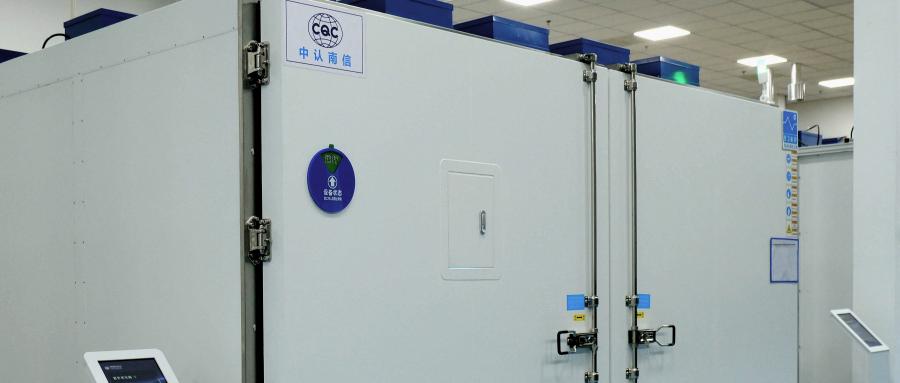
Product description
Specifications
Download
System Upgrades Behind Stable PV Laboratory Delivery
As PV modules continue to increase in size and testing requirements become more complex, PV laboratory systems are also becoming more demanding.
A question is often raised by customers:
when the number of devices grows and project schedules accelerate, can equipment quality and delivery stability still remain consistent?
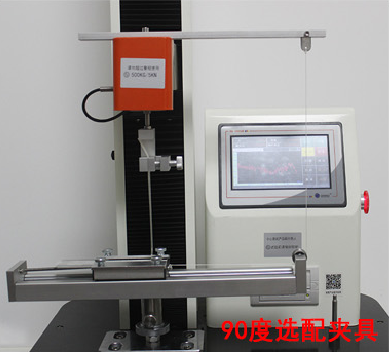
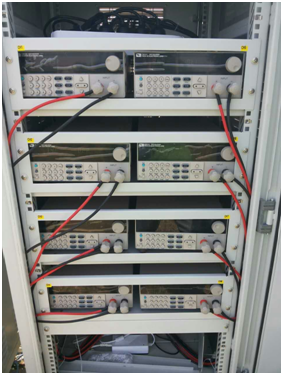
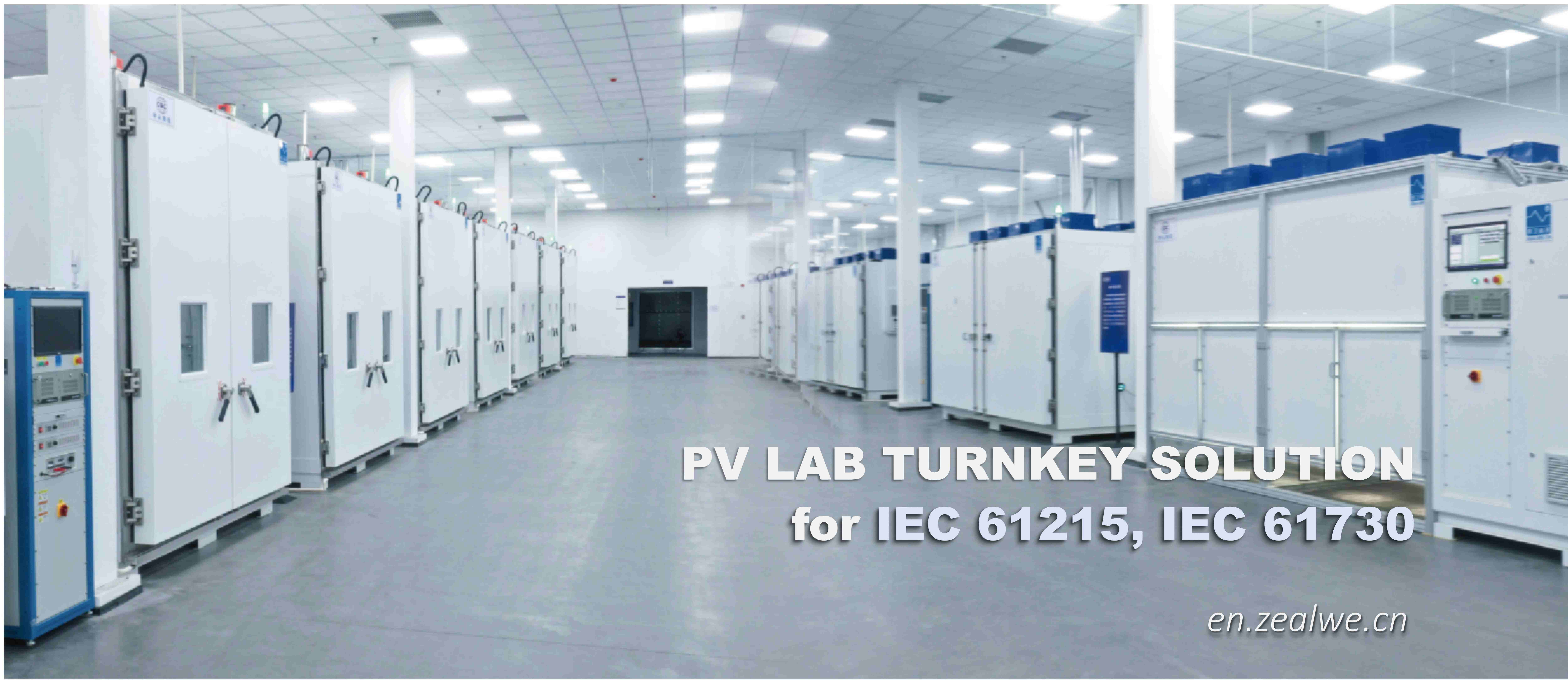
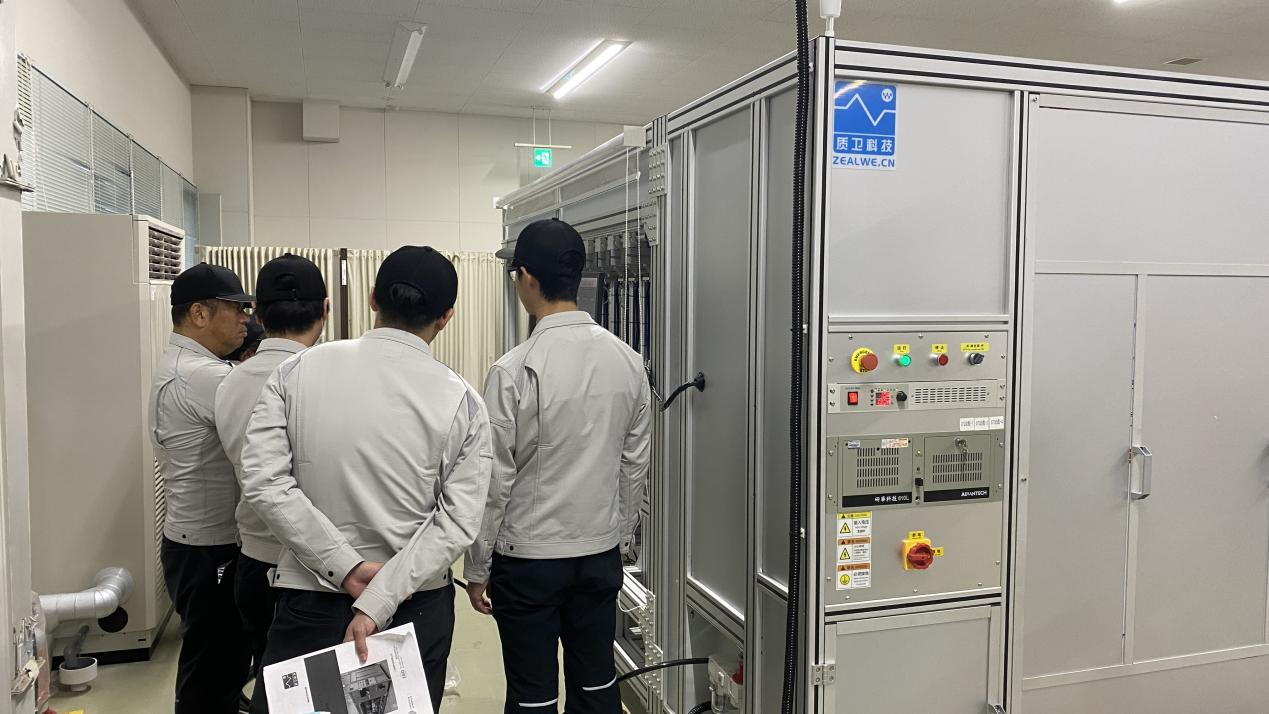
In 2025, Zealwe completed the delivery of multiple laboratory projects in China and overseas, including the CQC Yancheng Laboratory, SPIC Shanghai Laboratory, Huasun Renewable Energy Laboratory, and laboratory projects in India, Pakistan, Japan, and Indonesia. During the same period, the output of our self-developed power supply systems exceeded 2,000 units, while production of environmental chambers, light exposure systems, and mechanical testing equipment also continued to grow.
As project volume increased and system complexity rose, our focus was not simply on adding manpower.
Instead, we strengthened standards, coordination, and process control to make delivery more stable and more manageable.
1. Turning accumulated experience into unified standards
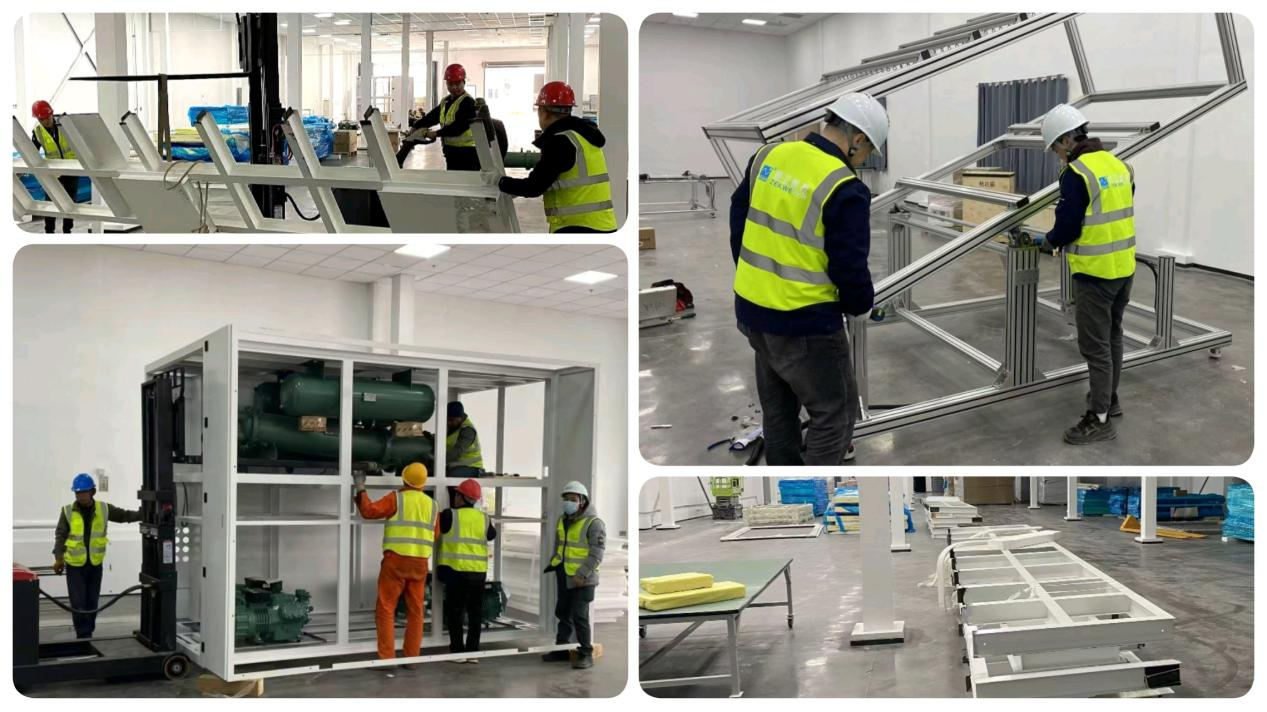
In 2025, we continued to refine our assembly and commissioning system across multiple product lines.
This included broader SOP coverage for environmental chambers, power supply systems, and mechanical testing equipment, updated FAT documentation, process-based production records for each machine, and signed final inspection and commissioning records before shipment.
These may look like basic actions, but they directly affect consistency, repeatability, and traceability.
When delivery scales up, long-term stability cannot depend on the experience of a few individuals.
It depends on whether every machine is built, verified, recorded, and traced under the same standards.
2. Upgrading response capability into a coordinated mechanism
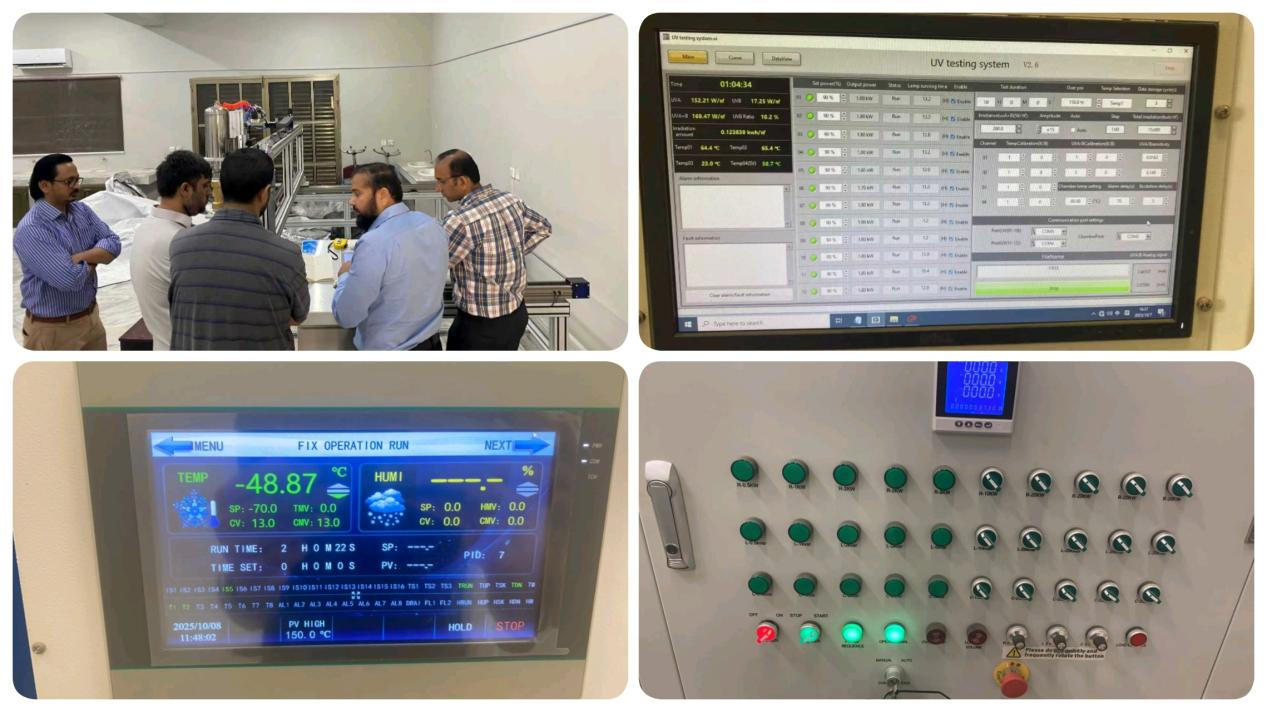
In 2025, engineers from Zealwe's after-sales and technical support teams accumulated 1,482 travel days while supporting project milestones across domestic and overseas laboratory deliveries. Under multi-project parallel delivery, response efficiency became a critical part of system reliability.
We further clarified our service response mechanism:
- initial response within 1 hour for fault reports
- a concrete solution within 24 hours
- immediate cross-department coordination for complex issues
More importantly, on-site issues were no longer treated as isolated cases.
Each problem was mapped back to specific system dimensions, including structural design, software logic, installation methods, and final inspection standards. This allowed the relevant teams to close the loop and keep improving products through real project feedback.
For customers, this means two practical things:
every response is backed by a clear mechanism, and every field issue can be turned into a design or manufacturing improvement.
3. Converting cost pressure into structural optimization
In 2025, while maintaining equipment performance and stability, we pushed forward structural optimization and version upgrades across multiple product lines.
This included upgrades to several categories of mechanical testing equipment, a shift from non-standard parts toward more universal and modular designs, and structural optimization targets ranging from 5% to 30% across different product lines.
Our principle has remained clear:
cost reduction should never mean lowering configuration.
It should come from better design, more standardized modules, and more efficient structures.
For third-party laboratories and module manufacturers, this leads to more controllable long-term operating costs and a more mature, stable equipment platform.
4. Replacing slogans with measurable targets
For 2026, Zealwe defined several quantified internal targets, including:
- refrigerant leakage rate below 5% , excluding logistics-related factors
- assembly non-conformance rate below 5%
- strict execution of FAT standards and full traceability mechanisms
- higher first-time problem resolution rate to reduce customer disruption
Once system improvement becomes measurable, equipment quality and delivery stability no longer rely on subjective judgment.
They become trackable, verifiable, and continuously improvable.
Conclusion
Delivering a PV laboratory is never just a matter of supplying more equipment.
It reflects the coordination capability of the entire manufacturing and delivery system behind it.
In 2025, as Zealwe handled more parallel projects and greater delivery scale, we placed more attention on the system itself: clearer standards, smoother coordination, more mature structures, and more explicit targets.
For laboratories and module manufacturers, long-term trust is built not only on the performance of individual equipment, but also on the manufacturing system that supports stable operation over time.
For us, the meaning of growth has never been simply doing more.
It is about doing things more steadily.
- File name Release date Ooperating