EN
EN CN
CN
Beyond Specifications: The Hidden Assembly Details That Define Long-Term Reliability of PV Laboratory Equipment
Product description
Specifications
Download
Beyond Specifications: The Hidden Assembly Details That Define Long-Term Reliability of PV Laboratory Equipment
When laboratory equipment is delivered, most attention goes to specifications and functions.
However, what truly determines long-term performance and stability are often the hidden details in assembly.
These details rarely appear in manuals, yet over time, they create significant differences in usability, reliability, and maintenance.
1. Beyond What Is Written
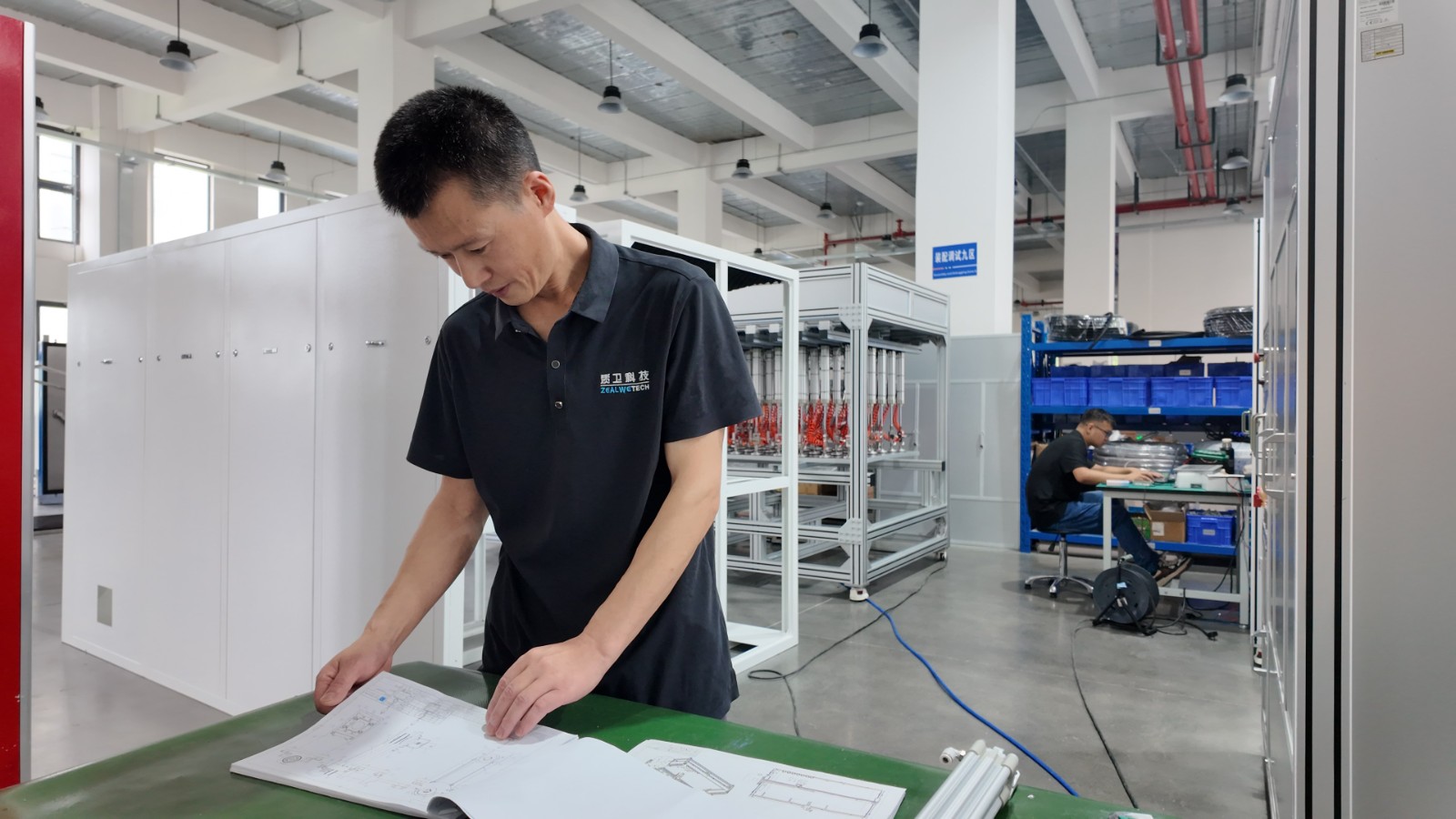
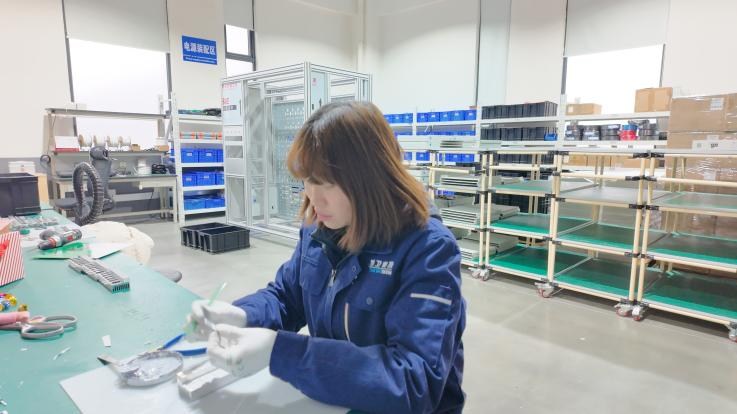
From component assembly to on-site installation and commissioning, precision equipment goes through a complex process.
What deserves attention are often the details that are not documented.
Some adjustments are not mandatory and not defined in standards, but they directly affect how smoothly engineers can operate the system—and how stable the equipment remains over time.
Many issues that appear after months of operation can often be traced back to these overlooked details.
2. Starting with Standardization
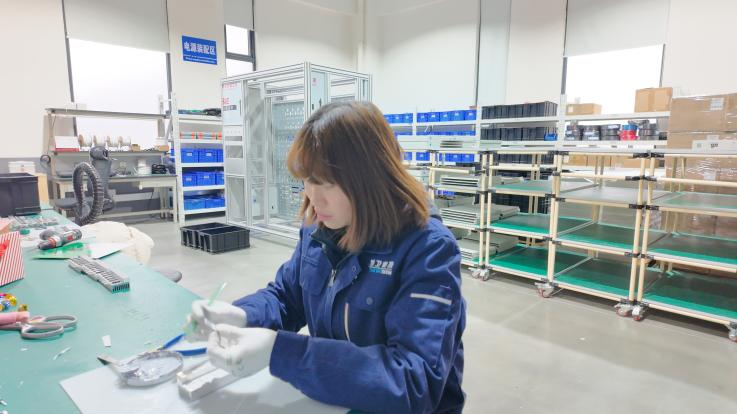
Our approach begins with standardization.
Previously, certain auxiliary assembly components did not have unified specifications.
Different engineers might handle the same position differently, leading to repeated adjustments on site.
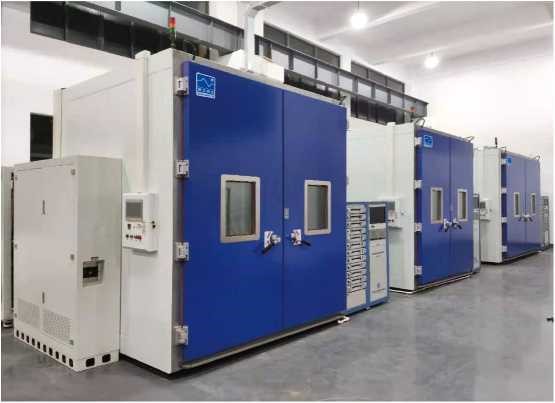
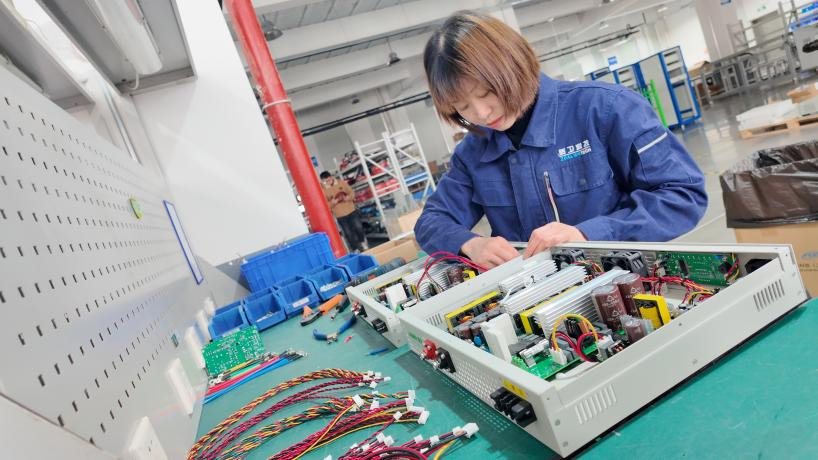
Today, key assembly components for environmental chambers and power supply systems are standardized.
Each component corresponds to a fixed position—ready to install without additional modification.
This reduces variability and improves both efficiency and consistency.
3. A Small Change in Dimension
Some improvements are highly specific.
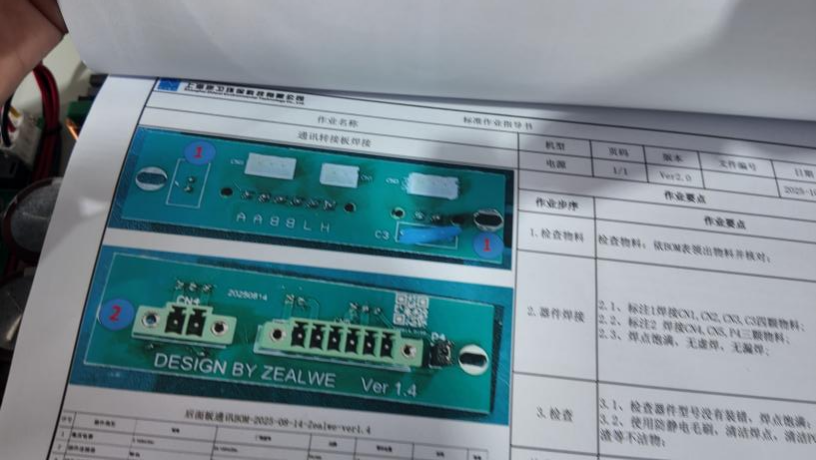
For example, cable length previously had a tolerance range within acceptable limits.
We standardized it to 150 mm based on practical needs.
Although minor, this adjustment simplifies routing paths and eliminates unnecessary handling.
One less adjustment step leads to a smoother assembly rhythm.
4. The Impact of Sequence
Efficiency is also influenced by assembly sequence.
We restructured the assembly process for power supply systems, environmental chambers, and mechanical equipment.
- Components that previously required reassembly are now installed earlier
- Optimized routing avoids unnecessary disassembly later
- Workflow becomes more natural and predictable
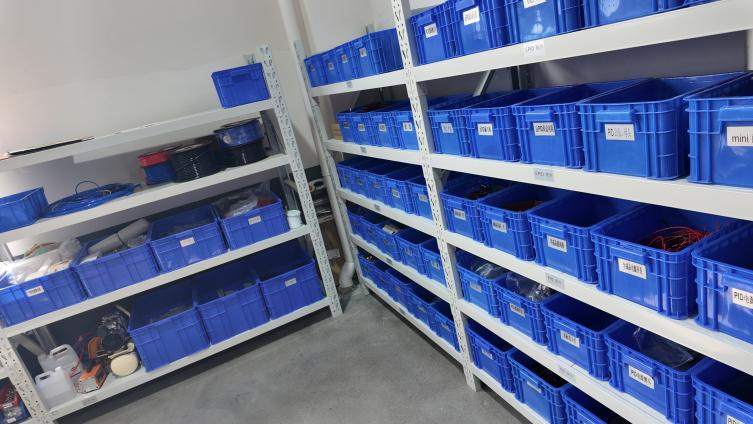
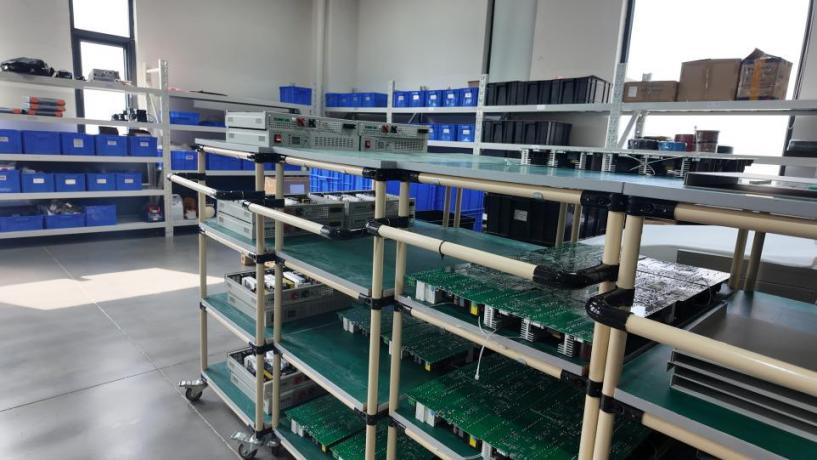
Each process step is supported by a dedicated material layout:
- Screws, clips, and seals are arranged in usage order
- Engineers can access them immediately without searching
These small differences are amplified significantly in daily operations.
Fewer movements lead to a more stable workflow.
5. One Extra Step That Matters
Some checks may appear redundant, but they play a critical role.
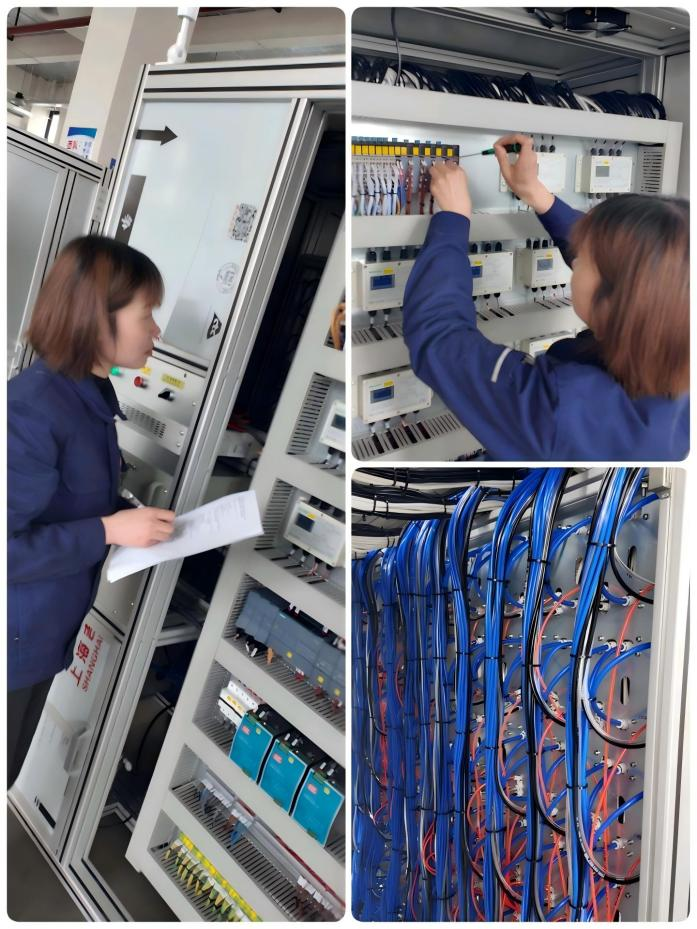
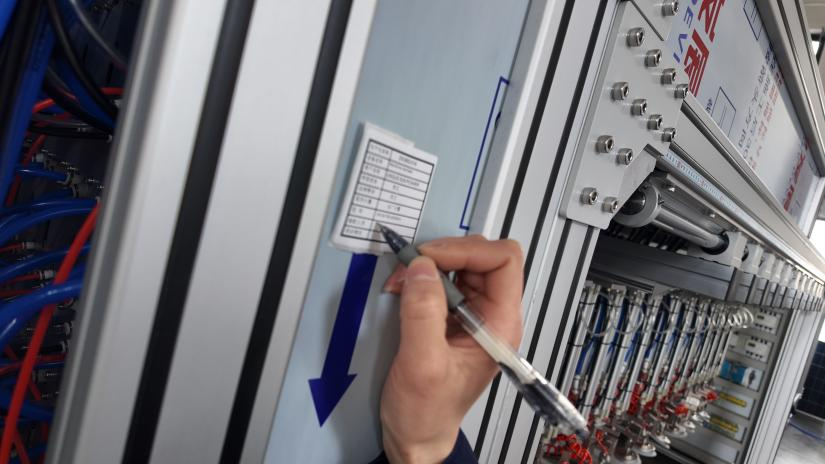
After assembly, beyond basic testing, we verify each unit against the 2025 FAT documentation, item by item.
Each process step is signed off by the responsible engineer, recording both operator and completion time.
From assembly to commissioning, every stage is traceable.
This is not about adding inspection workload, but about making verification a natural part of the process.
6. Structural Optimization
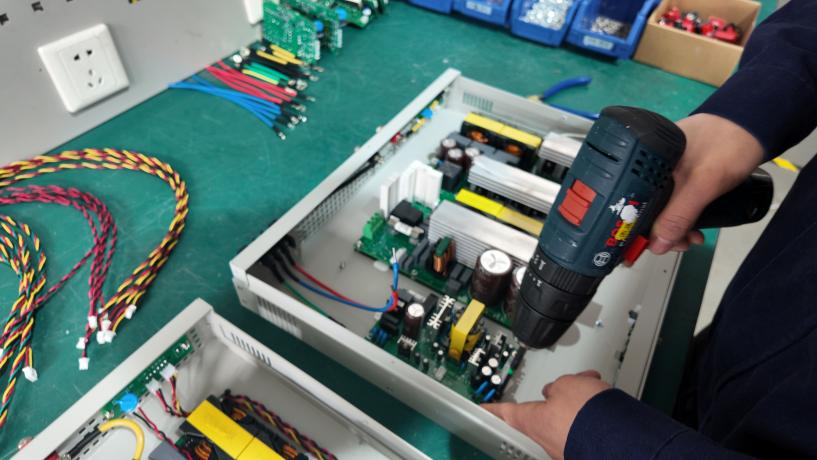
We also optimize equipment structures by replacing customized components with modular, standardized parts.
This improves assembly efficiency and simplifies future maintenance.
Although subtle, these changes bring clear long-term benefits.
7. Built Through Practice
These practices are not individual habits.
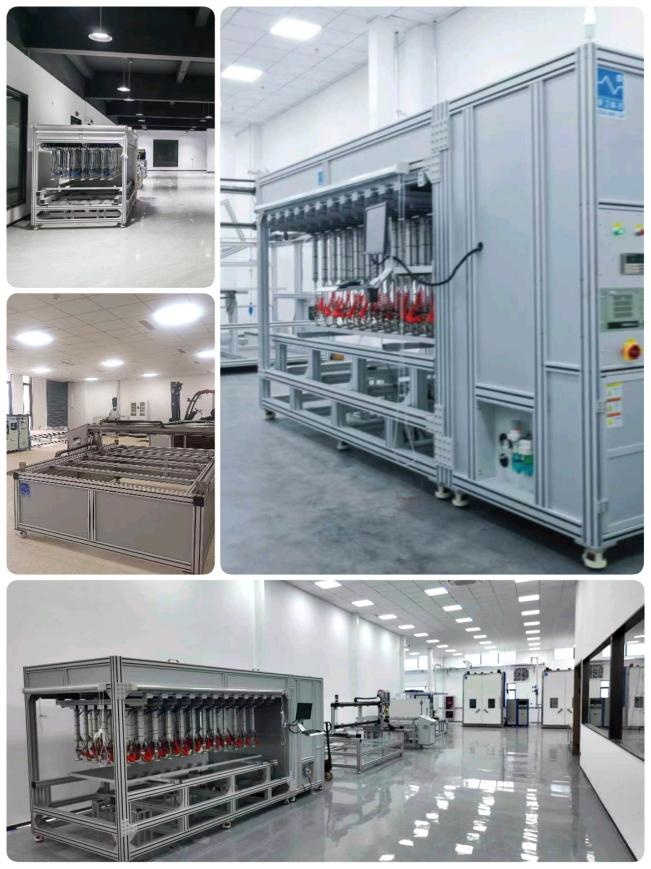
They are standardized processes refined across multiple projects—from domestic laboratories to international installations.
Consistent execution across projects is what enables a truly reliable quality system.
Conclusion
Specifications define the baseline.
Details define the quality.
The hidden details in assembly are what ensure efficient installation, stable operation, and long-term reliability.
At Zealwe, these details are continuously refined into standardized engineering systems—so every piece of equipment performs consistently over time.
- File name Release date Ooperating