EN
EN CN
CN
CSPV 2025 On Site | Zealwe Perspective
CSPV 2025 On Site | Zealwe Perspective:
Three Observations on Technology, Scenarios, and Testing
CSPV 2025 officially opened on November 27.
In the morning, the main forum featured intensive discussions on silicon wafers, module manufacturing, material innovation, and overall industry trends. In the afternoon, parallel sessions continued with deeper exchanges across cells, modules, materials, system applications, and testing.
From Zealwe’s perspective, the most noteworthy takeaway was not individual concepts or buzzwords, but a shared underlying question:
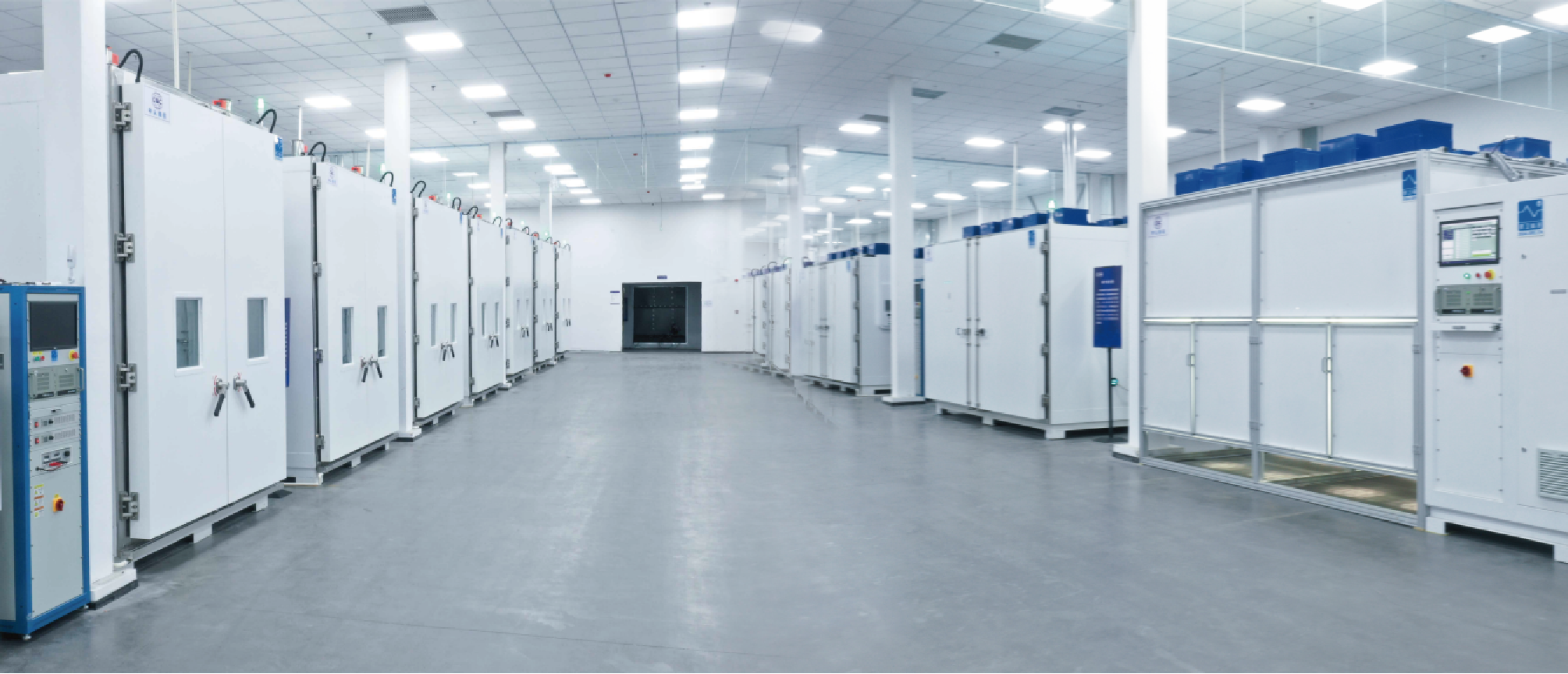
As technologies evolve faster and application scenarios become more diverse, how should testing and validation systems evolve accordingly?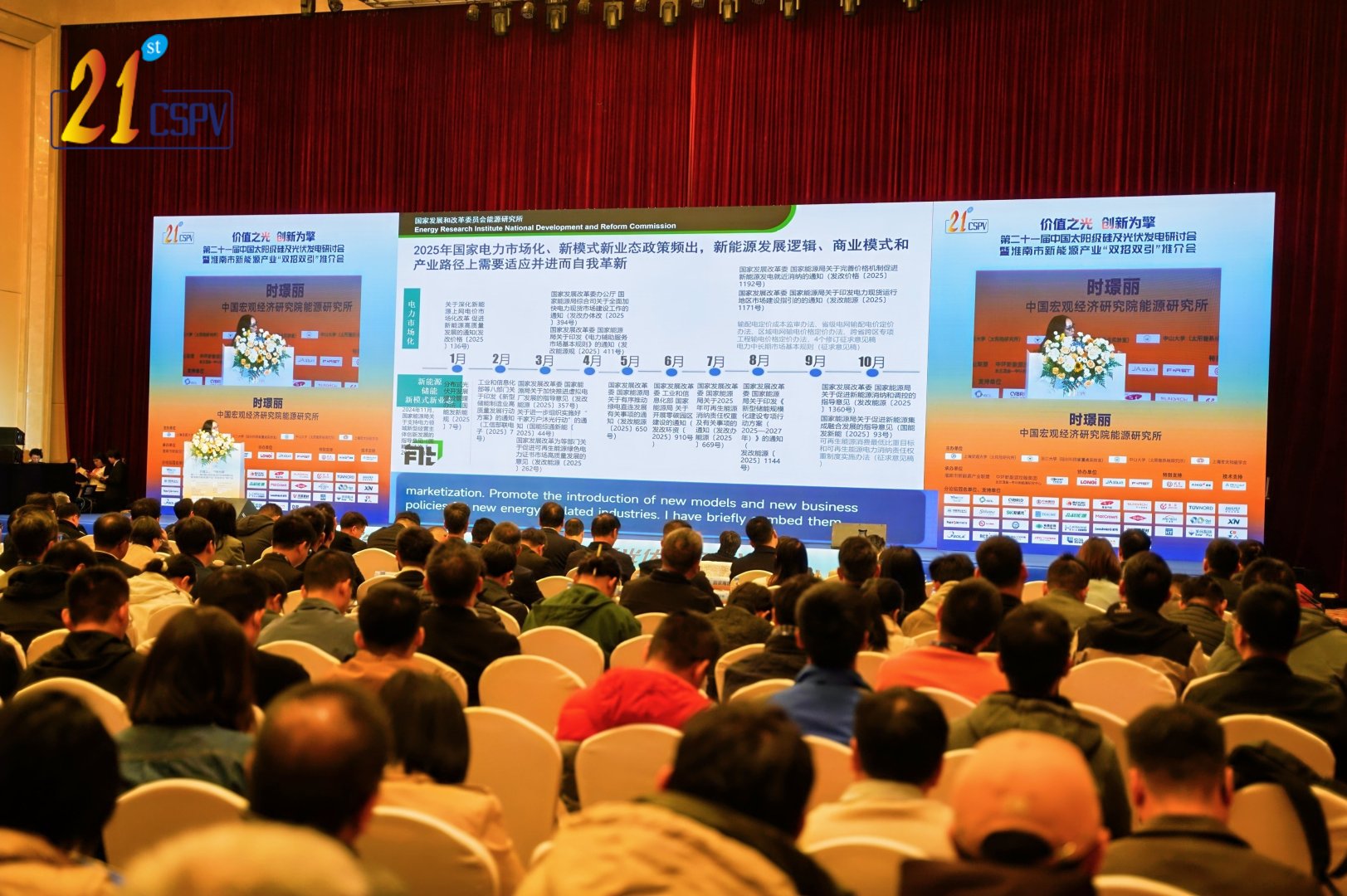
1. Manufacturing changes are redefining what needs to be tested
Across multiple expert presentations, whether discussing HPBC and BC cell routes, thinner wafers, or composite packaging materials, one common point was repeatedly emphasized:
Different structures lead to different failure paths.
This implies that reliability testing is no longer just about completing test items according to standards. It requires reconsidering whether current testing approaches still adequately cover critical risk points.
This has been one of the most noticeable trends Zealwe has observed in laboratory delivery projects over the past two years.
2. Expanding application scenarios are pushing testing closer to real conditions
In the afternoon sessions on November 27, large-scale PV bases, building-integrated photovoltaics (BIPV), and high-temperature, high-irradiance environments were frequently discussed.
As scenarios become more complex, higher demands are placed on airflow design, UV load settings, and the combined stress of temperature and humidity cycling within test chambers.
The industry is gradually shifting from meeting standards toward simulating real operating conditions, marking a new direction for laboratory capability development.

3. Test consistency remains a recurring concern
Both during forum discussions and in informal exchanges, one practical question was repeatedly raised:
Why do UV test results vary so significantly between different laboratories?
This topic closely aligned with Zealwe’s presentation theme on the afternoon of November 28.
In the session, Zealwe shared insights on key factors affecting UV-induced degradation (UVID) test results, including lamp aging behavior, changes in UVB proportion, temperature control strategies, and degradation compensation mechanisms. These insights are based on long-term data and observations from our UV system R&D and project delivery experience.
(A detailed technical article on this topic will be published on our official channels in the future.)
Zealwe Technical Presentation at the CSPV Forum
On the afternoon of November 28, Zealwe delivered a dedicated presentation focusing on consistency issues in UVID testing.
The presentation highlighted:
Result deviations caused by different lamp aging patterns
The impact of UVB proportion changes on test outcomes
Key considerations in chamber airflow design and sample surface temperature control
Compensation strategies developed from long-term project delivery experience
These challenges are widely recognized across the industry, and also represent areas where Zealwe hopes to collaborate with peers to drive continued improvement.
Coming Next: CSPV 2025 In-Depth Review
(Quality · Testing · Laboratory Perspective)
To provide a more systematic overview, Zealwe will publish an in-depth review next week:
“CSPV 2025 | In-Depth Observations on Laboratories and Quality Systems (Zealwe Perspective)”
The upcoming article will focus on:
Practical insights CSPV offers for testing systems
New challenges facing UV testing
Key changes to watch in laboratory planning
Observations and recommendations from Zealwe’s global project experience
We hope this perspective will help customers, engineers, and R&D teams better understand the value of CSPV 2025 from a testing-focused viewpoint.