EN
EN CN
CN
10 Maintenance Checks for PV Laboratory Testing Equipment
Product description
Specifications
Download
10 Maintenance Checks for PV Laboratory Testing Equipment
When Equipment Is Still Running, Is Everything Really Fine?
If a piece of testing equipment is operating normally and no alarm has been triggered, does that mean everything is fine?
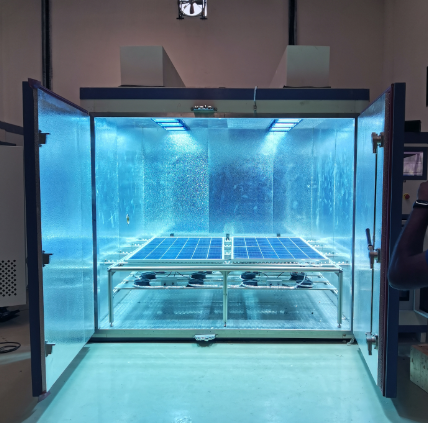
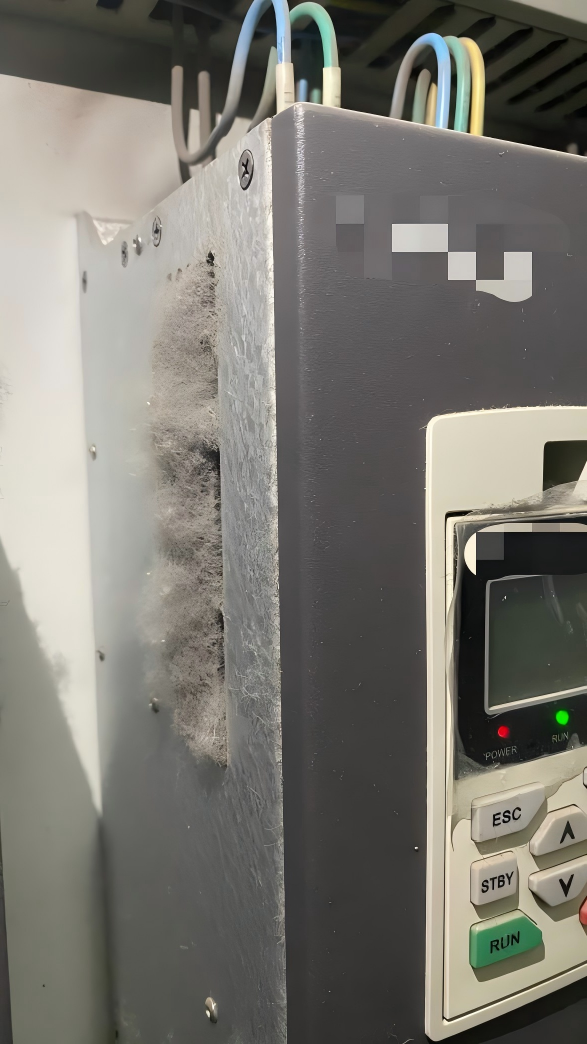
During a recent routine service inspection, a Zealwe engineer found an easily overlooked issue in a UV aging chamber that had been in operation for approximately eight years.
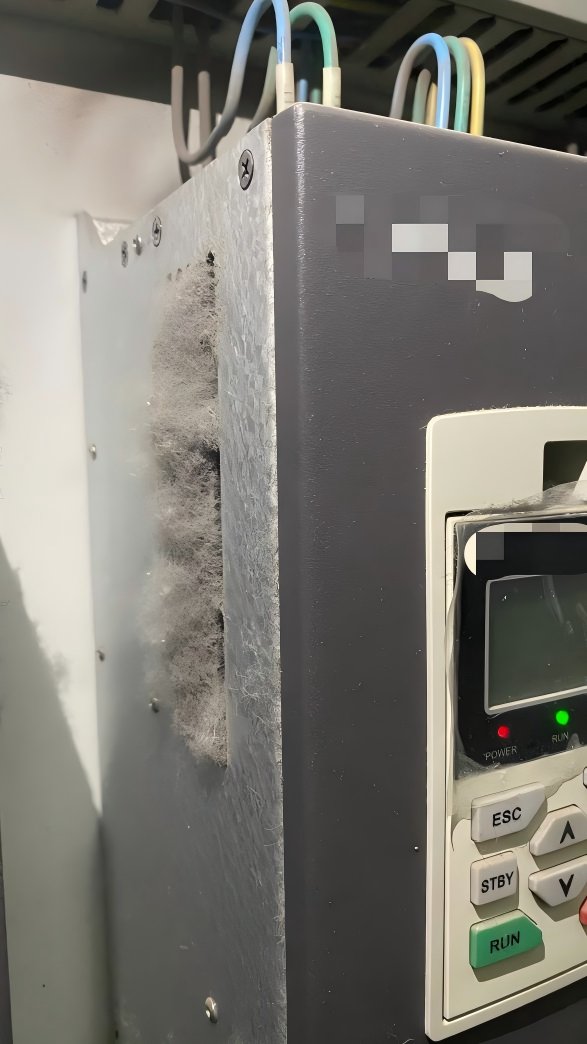
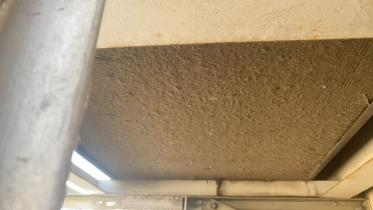
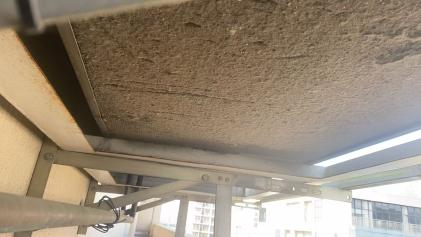
The air intake of the EPS power supply was heavily blocked by dust and willow catkins, while the cabinet cooling fan had also failed. During the inspection, the temperature inside the electrical cabinet had reached approximately 60°C.
Fortunately, the issue was identified during routine maintenance before it developed into equipment failure or further damage.
Why Are These Problems Easy to Miss?
In a busy PV testing laboratory, the priority is naturally to complete testing.
As long as the equipment continues running without alarms or obvious abnormalities in test data, routine inspection and maintenance can sometimes be postponed.
This is understandable. Laboratory operators are responsible for testing; they are not expected to be equipment maintenance specialists.
However, many potential problems develop in places that are not immediately visible, including cooling fans, condenser fins, filters, water circuits and electrical connections.
At the early stage, these issues may not stop the equipment. The system may continue operating for some time.
But “still running” and “safe for continuous operation” are not the same thing.
What Happens When Airflow Is Blocked?
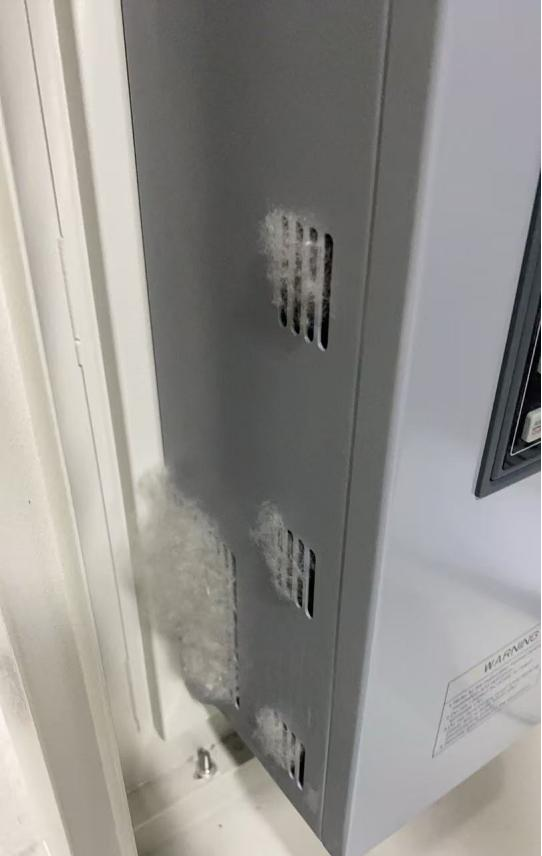
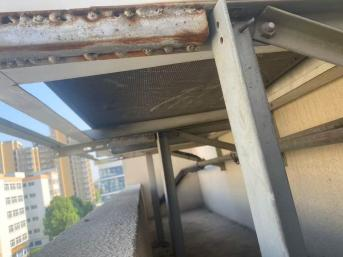
In this case, dust and willow catkins had accumulated around the EPS power supply air intake. Together with the failed cooling fan, this prevented heat from being effectively dissipated from the electrical cabinet.
In northern China, willow and poplar catkins are especially common during April and May. Without regular inspection of air intakes and cooling areas, they can easily accumulate around ventilation points.
Poor heat dissipation over an extended period can increase the risk of electrical faults and short circuits. Dry willow catkins are also flammable and may burn rapidly if exposed to sparks.
This is why preventive inspection should take place before an equipment alarm occurs, rather than after.
How Was the Issue Handled?
One important safety point is that willow catkins and dust around electrical components should not be removed directly by hand.
The equipment was first powered off. A vacuum cleaner was then used to thoroughly remove the accumulated dust and catkins. After the internal condition had been checked, the equipment was powered on again in sequence and testing resumed.
After maintenance, lower system energy consumption and stable temperature control were observed.
Timely maintenance can also reduce the additional load and wear caused by prolonged operation under poor cooling conditions.
It Is Not Only About Air Intakes
Similar issues can occur elsewhere in laboratory testing equipment.
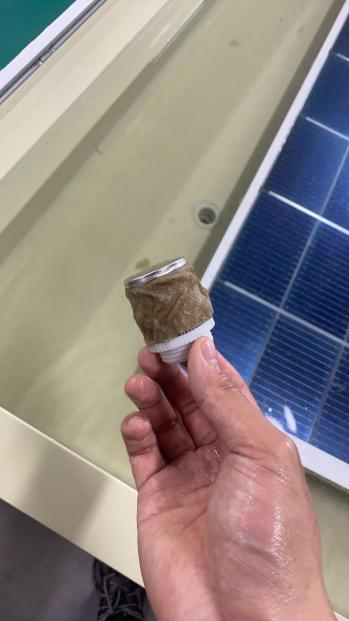
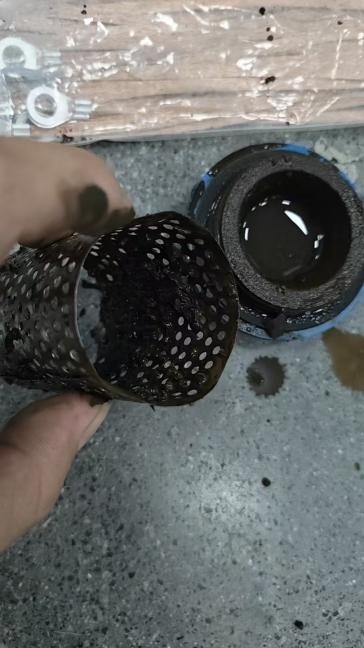
During previous maintenance work, our engineers have encountered dust screens, circulating-water Y-strainers and air-cooled condenser fins that had not been inspected or cleaned for extended periods.
Blockage or contamination in these areas may lead to reduced electrical cabinet cooling, lower water flow, increased system pressure, abnormal cooling performance, higher energy consumption and potentially unstable test data.
In another service case, willow catkins entered the water circuit and blocked a filter, eventually causing the pump to run dry and damaging the motor. 志斌投稿-设备维护v2
10 Maintenance Points for PV Laboratory Equipment
Based on our experience in equipment installation, commissioning and after-sales maintenance, these are 10 areas that deserve regular attention:
| Inspection Point | What to Check |
|---|---|
| Cooling fans and condenser fins | Dust accumulation, abnormal noise, reduced fan speed or restricted airflow |
| Electrical terminals | Loose connections, overheating, discoloration or signs of burning |
| Sensors and probes | Secure installation, data drift and periodic calibration |
| Water and cooling systems | Leakage, scaling, blockage, water level and pressure |
| Seals and door locks | Aging, cracks or poor sealing that may cause temperature, humidity or water leakage |
| Moving components | Lubrication, wear or jamming of guide rails, lead screws and cylinders |
| Safety protection devices | Emergency stop, alarms, limit switches and leakage protection |
| Cables and connectors | Damage, looseness, oxidation or fatigue at bending points |
| Drainage systems | Blocked pipes, standing water or contamination |
| Software and operating records | Alarm records, maintenance intervals, data backups and software versions |
These checks are individually quite simple. But when they are neglected for long periods, small issues can develop into problems that affect equipment operation or even test results.
Preventive Maintenance Should Come Before the Alarm
Maintenance does not necessarily need to be complicated. What matters is performing the right checks regularly.
Depending on the equipment, operating frequency and laboratory environment, maintenance can be organized into daily inspections, weekly cleaning, monthly maintenance, quarterly maintenance and annual maintenance.
Dust accumulation, blockage, loose connections and abnormal temperature rise are often easier to address when detected early. Waiting until equipment stops completely may result in greater downtime and higher repair costs.
For a PV laboratory, reliable testing depends not only on the equipment installed, but also on how consistently that equipment performs throughout its service life.
An alarm is a warning. Good maintenance should come before it.
- File name Release date Ooperating