EN
EN CN
CN
Equipment Does Not Speak, But Every Correct Operation Extends Its Service Life
Product description
Specifications
Download
Equipment Does Not Speak, But Every Correct Operation Extends Its Service Life
In PV testing laboratories, equipment often works quietly in the background. It does not warn in advance, and it rarely fails without reason. In many cases, unstable performance, unexpected shutdowns, or shortened service life begin with small details that are overlooked in daily use.
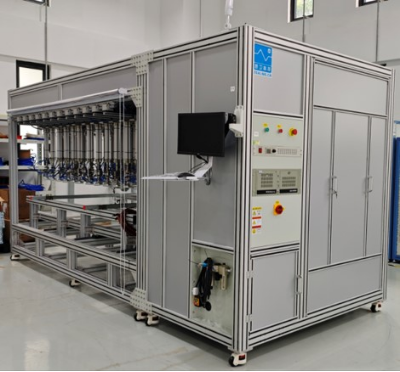
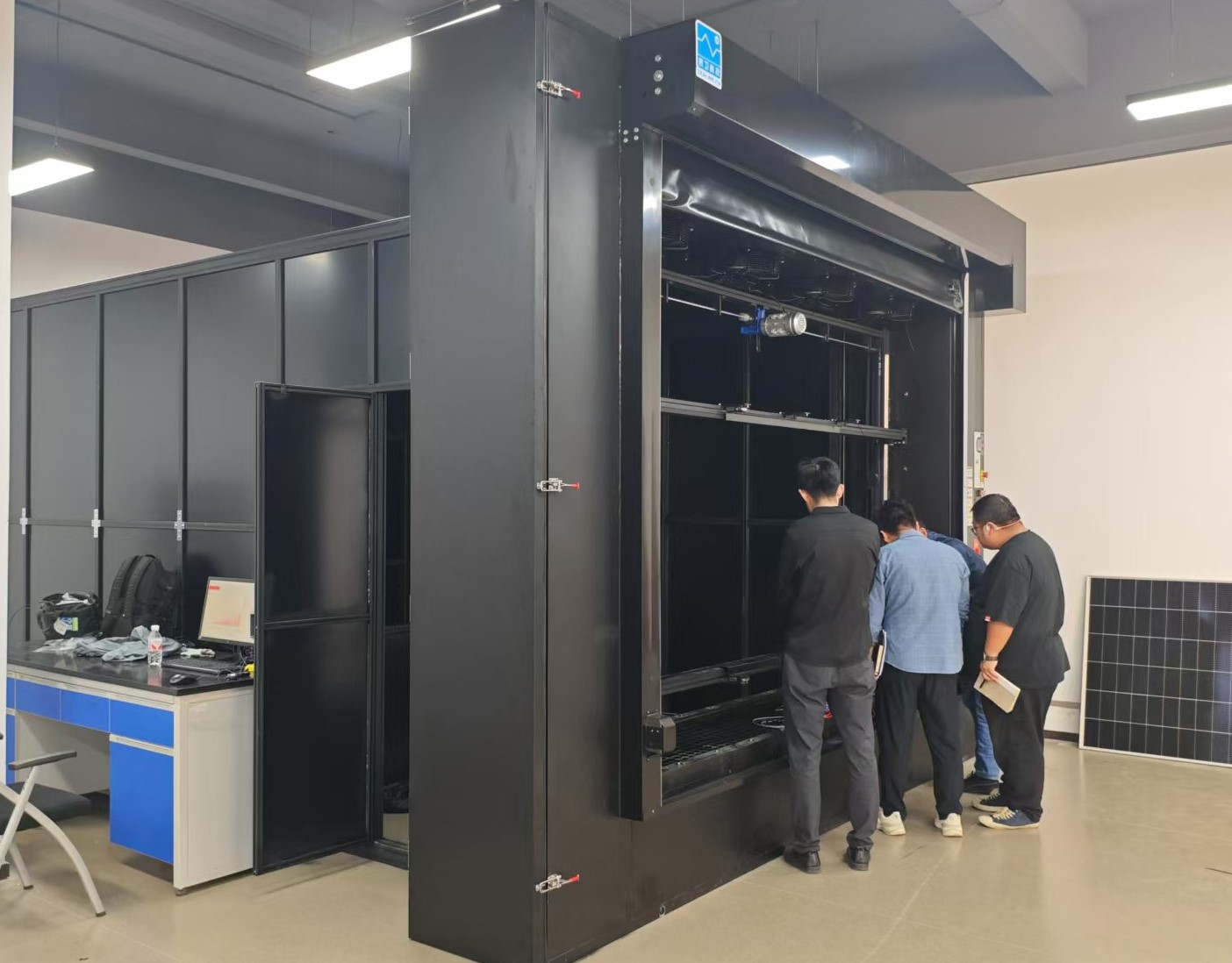
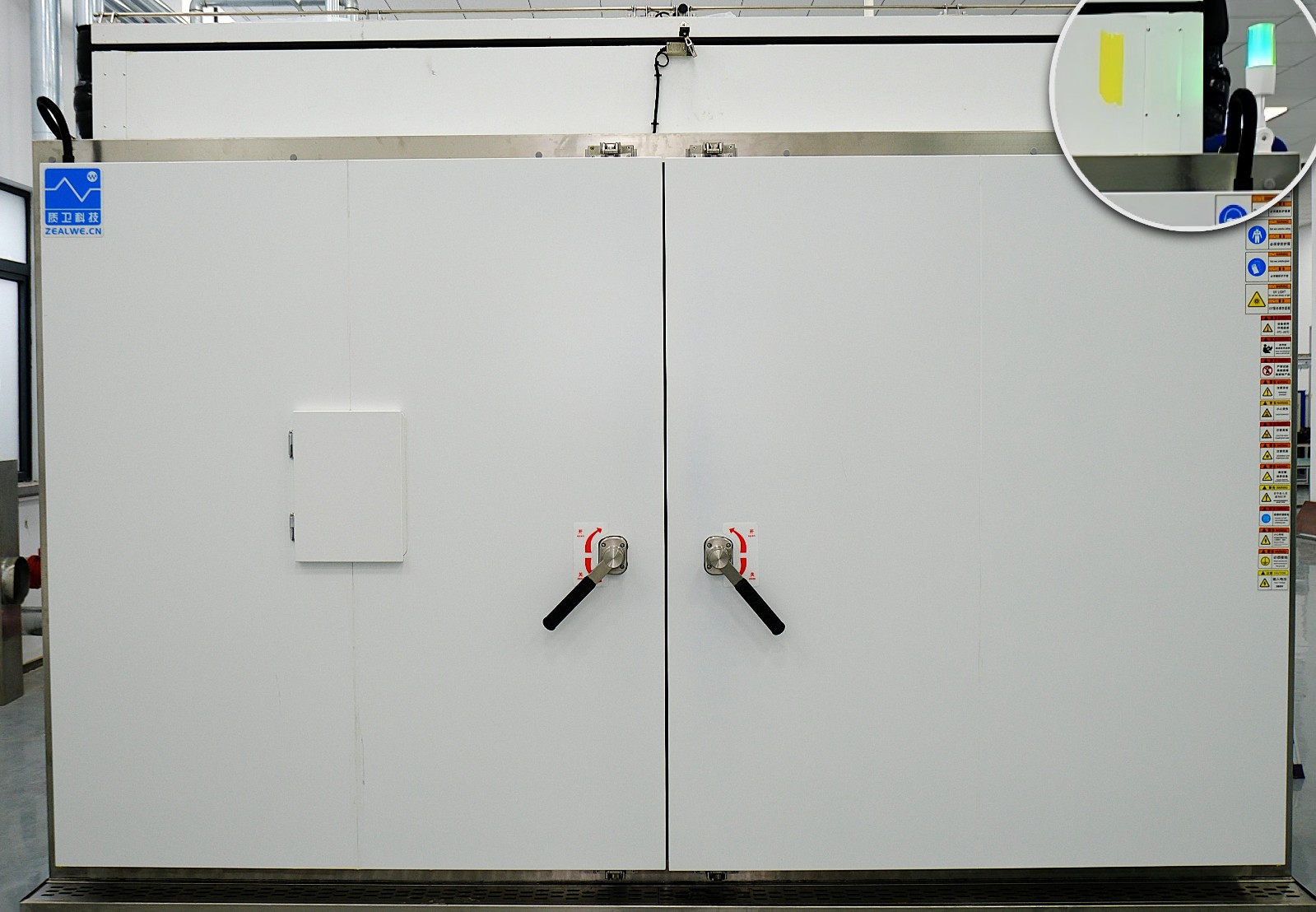
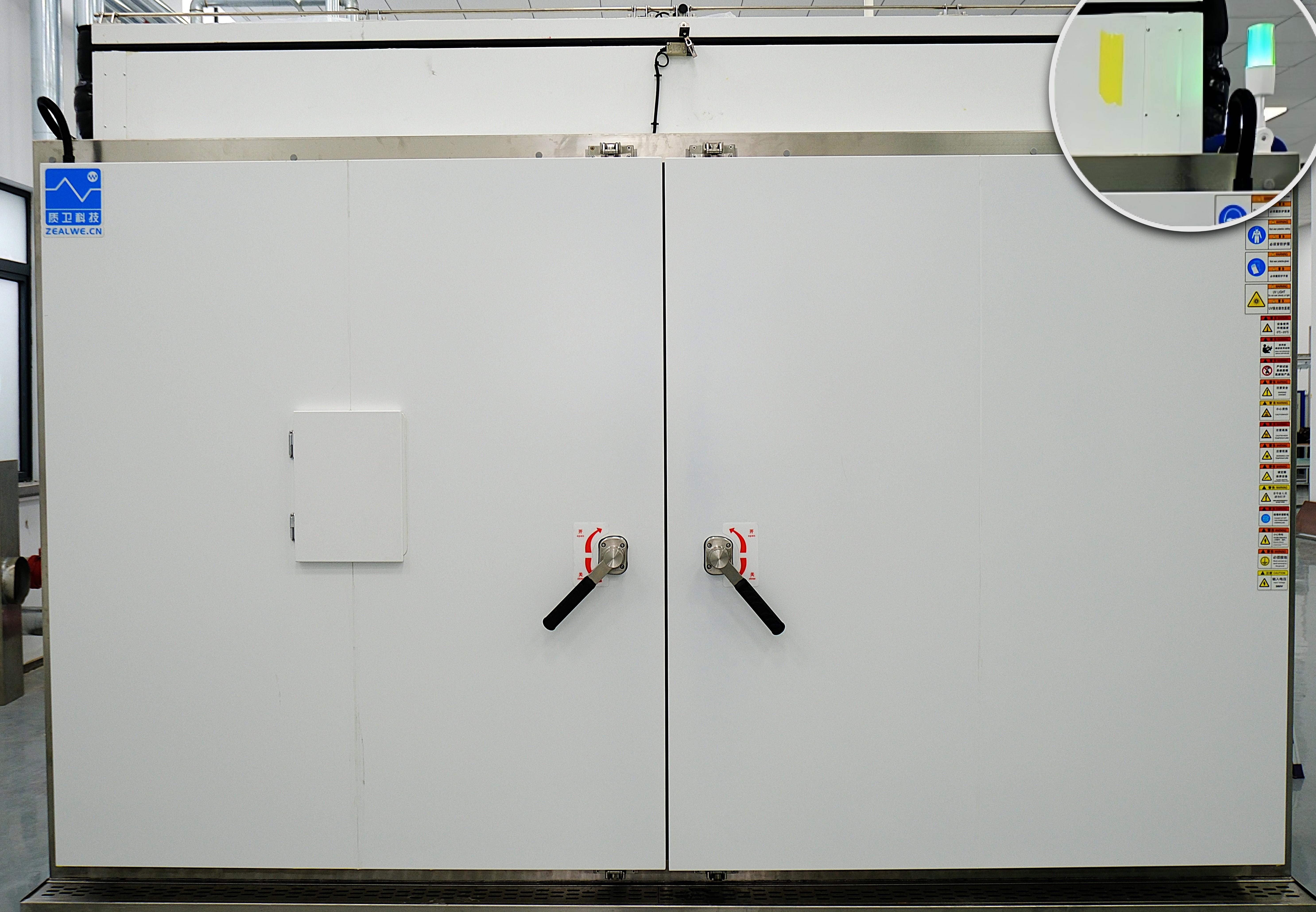
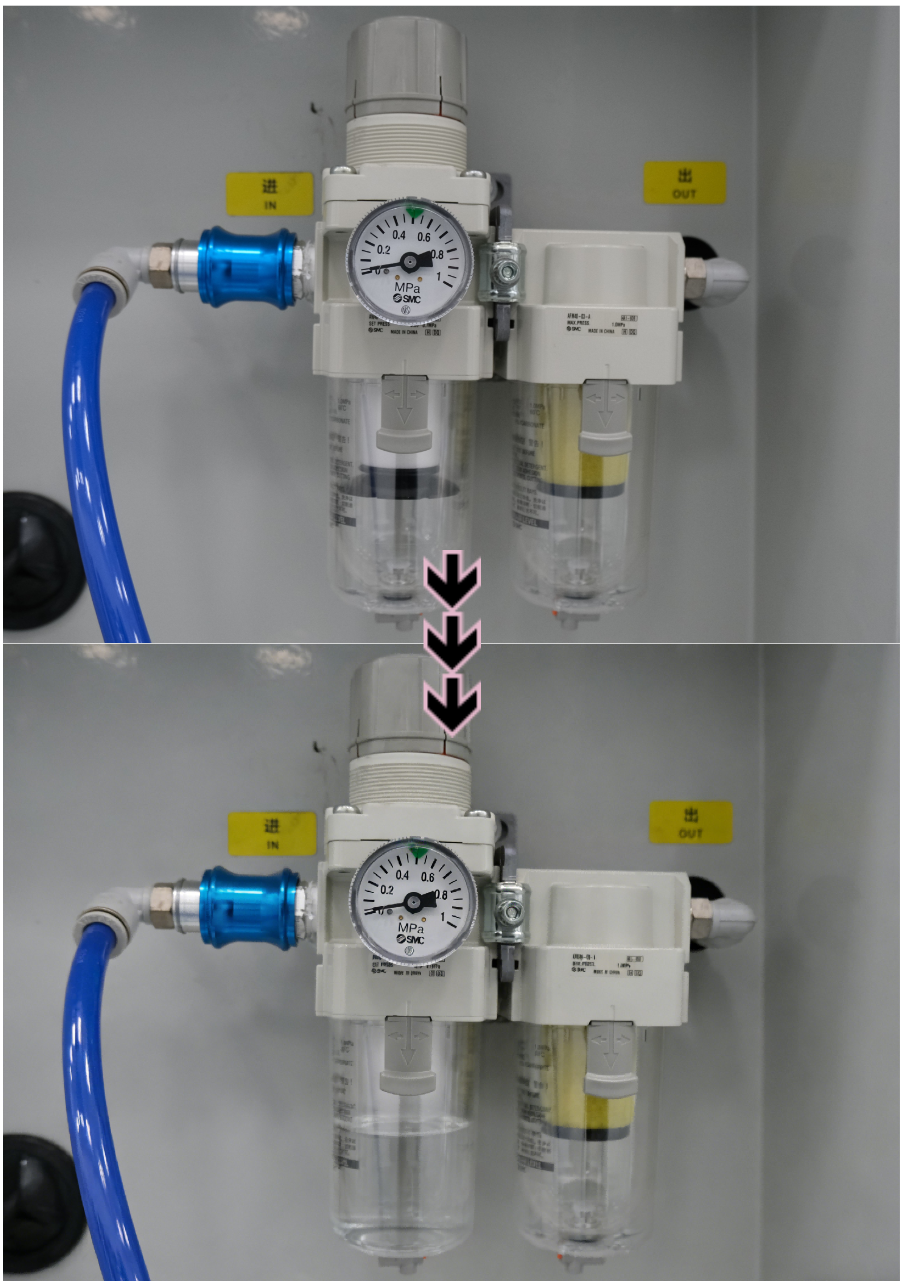
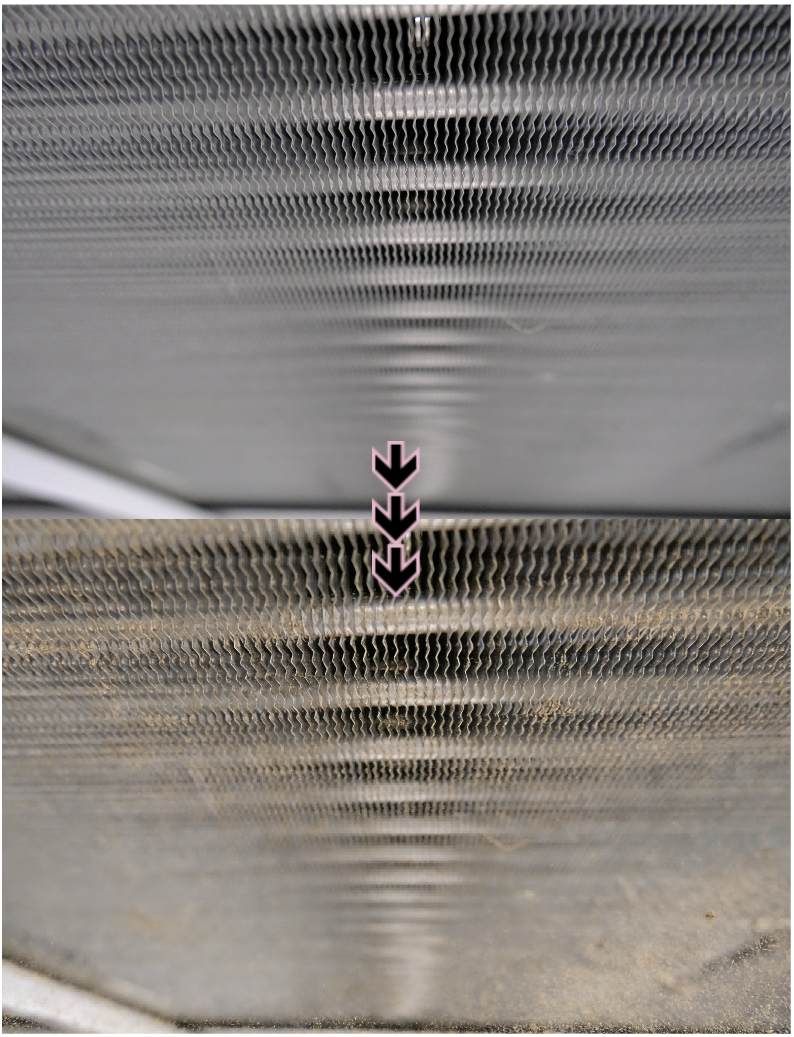
A mechanical load tester with moisture left in the pneumatic circuit may gradually develop abnormal cylinder movement. A temperature cycling chamber with an uncleaned filter may consume more energy, dissipate heat poorly, and eventually stop in the middle of a long-running test. Problems like these may seem minor at first, but over time they can affect project schedules, increase maintenance costs, and reduce equipment life.
To keep equipment in a healthy operating condition, two daily disciplines matter most: standardized operation and regular maintenance.
Standardized Operation Matters More Than It Seems
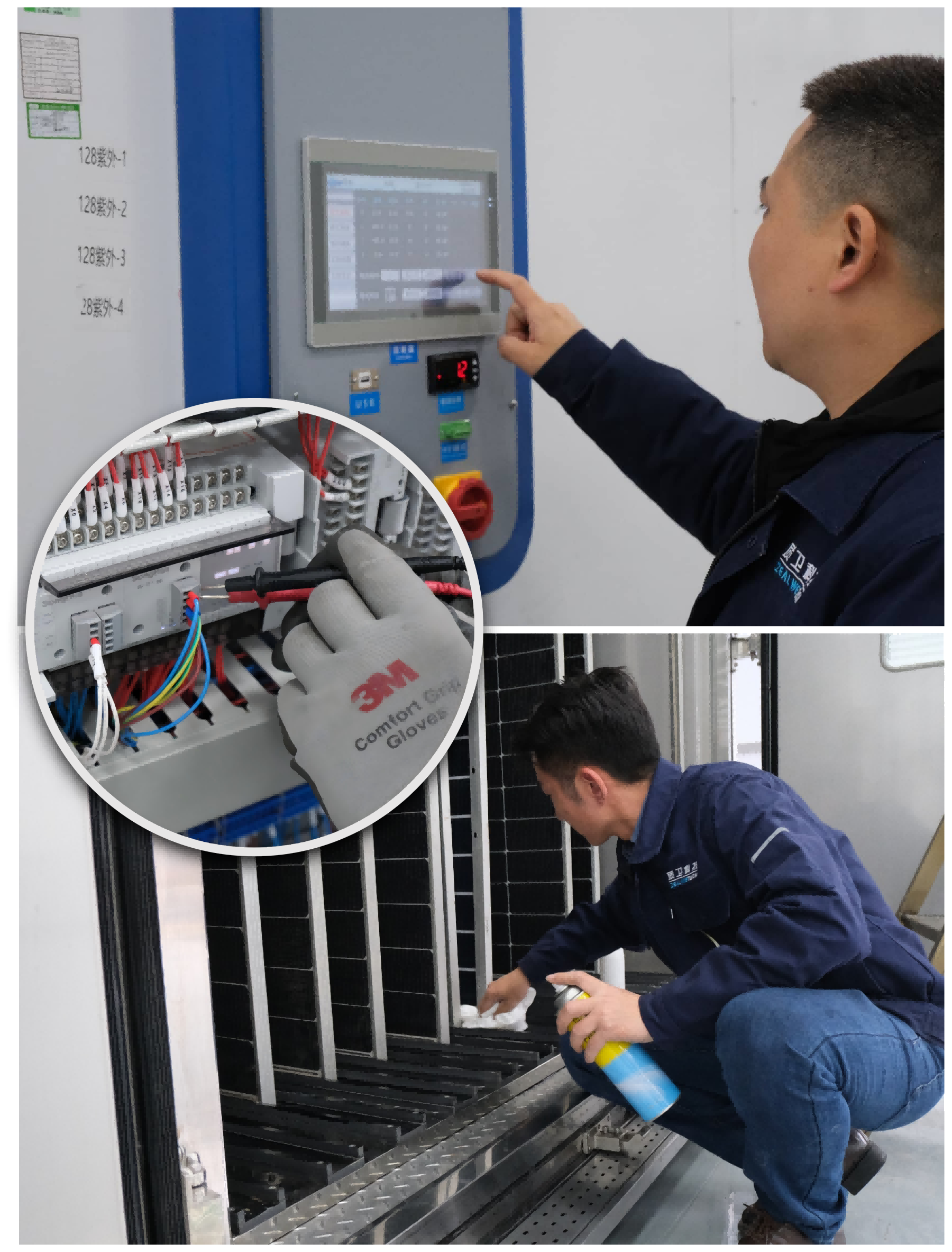
Standardized operation means following each step as intended, from start-up inspection and parameter setting to operation monitoring and shutdown procedures. These steps are not only part of running a test. They are also part of protecting the equipment itself.
When procedures are simplified or skipped, equipment may continue running for some time, but the long-term impact can gradually appear in the form of unstable performance, abnormal wear, or inconsistent test results.
Maintenance Is Preventive Protection
Regular maintenance is the preventive side of equipment management. Just as a vehicle requires routine inspection and servicing, laboratory equipment also needs cleaning, calibration, consumable replacement, and connection checks. The goal is not to respond after failure, but to identify and resolve potential issues before they develop into real problems.
Common Maintenance Misunderstandings
In actual operation, several common misunderstandings appear frequently:
- Waiting until an alarm appears
Performance degradation often begins before any alarm is triggered. Regular inspection is the key to early detection. - Focusing only on software indicators
Aging seals, blocked filters, or retained condensate may not immediately trigger alarms, but they can still affect equipment condition and test accuracy. - Skipping maintenance records
Without records, maintenance becomes difficult to track, repeat, and improve over time. A clear log is the basis of sustainable equipment management.
From Experience to Standardized Practice
In practice, valuable maintenance knowledge often comes from many sources: field service experience, supplier training, and day-to-day operational feedback. When this knowledge is organized into operating videos, work instructions, and maintenance manuals, it becomes a repeatable and traceable management standard.
This kind of standardization creates practical value:
- new operators can learn faster through clear visual guidance
- abnormal conditions can be checked against complete inspection records
- scheduled maintenance can be carried out more consistently with defined checklists
A Real Example from Routine Inspection
During a regular inspection at a laboratory overseas, Zealwe engineers found that the customer’s UV lamps had exceeded the recommended service interval by nearly 30%. The system was still running, but irradiance had already started to decline slightly.
After identifying the issue, our engineers provided remote guidance for proper optical cleaning, supported lamp replacement, and completed recalibration. The irradiance uniformity then returned to a strong level, helping the customer avoid the risk of retesting caused by slow data drift.
This is a routine case, but it illustrates an important point clearly: maintenance is not extra work. It is part of what keeps equipment stable over the long term. Every maintenance action performed according to procedure contributes to longer equipment life and more reliable laboratory operation.
Reliable Equipment Supports Reliable Work
In manufacturing and testing environments, equipment is one of the foundations of productivity. Protecting equipment is, in essence, protecting the reliability and efficiency of daily work. Starting with one properly followed instruction, one complete inspection, or one well-documented maintenance action can make a meaningful difference over time.
At Zealwe, we believe long-term equipment reliability does not come from a single repair action. It is built through disciplined operation, preventive maintenance, and standards that can be sustained in real laboratory environments.
- File name Release date Ooperating